It used to be that when you quit a game, your Nintendo console gave you a little warning: anything not saved will be lost. As it turns out, that was a bigger warning than we might have thought.

I’m Holly Slocum. I manage the Electronic Literature Lab where we preserve born-digital art, literature, and games. You can pop over to my about page if you’re interested in learning more about me, but for now, all you need to know is that I care a whole lot about keeping digital culture and history alive. I’ve been making things on computers my entire life, from KidPix in elementary school, to HTML on MySpace in middle school, all the way up to today.
We can’t access most of what we created with back then. 38% of webpages that existed 10 years ago are now gone, according to Pew Research, and that number only increases the farther back you go. Companies end support for widely used publishing tools, hardware breaks, formats evolve, and all of it contributes to the accelerated loss of the earliest evidence of people figuring out how to make things with computers.
At the Electronic Literature Lab, we’re trying to save that history. We maintain a collection of 164 Macintosh and Windows computers dating back to 1977, and a library of software, manuals, and born-digital works. We’ve also built and continue to manage The NEXT, an online library and museum that holds over 3,000 works.
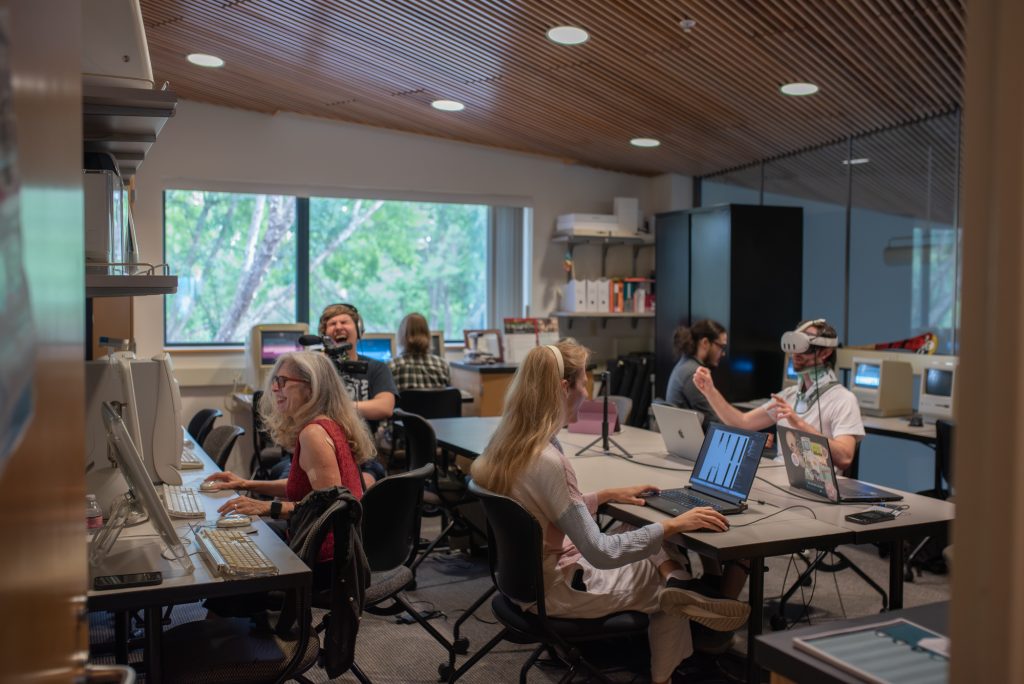
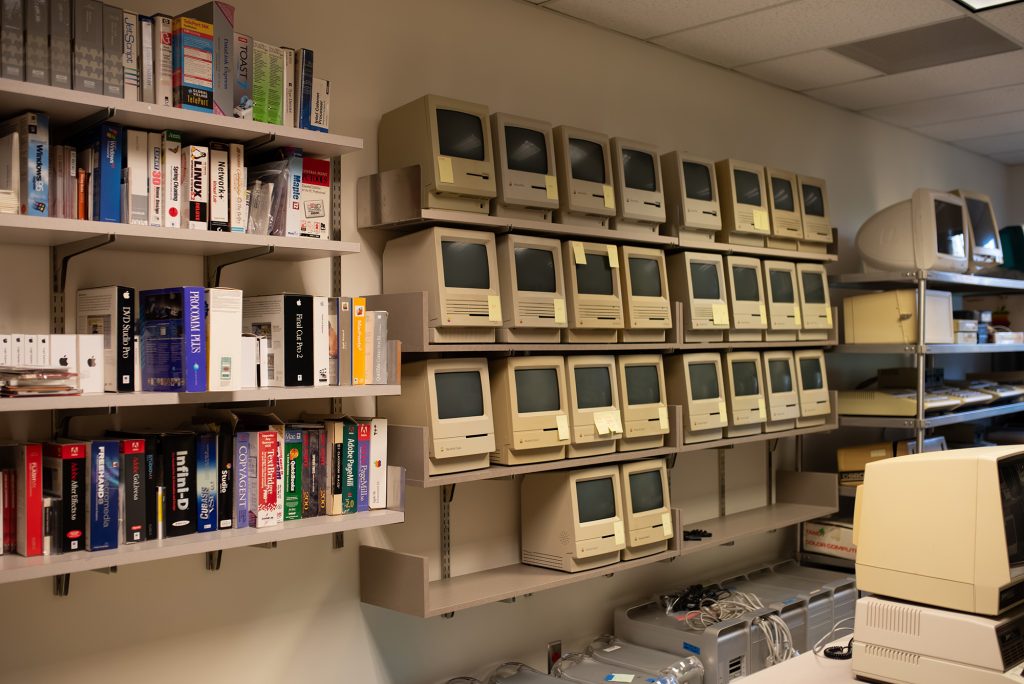
I chose this topic because I deal with it every day and I care deeply about this mission. I watch what happens when a work that hasn’t run in twenty years powers on, and it’s a completely different experience than simply reading a description. I see the loss when the disk doesn’t read, and we don’t know if there are any other copies left. I’ll be spending this semester crafting visual messaging to help inform people that this problem exists, and, hopefully, motivate them to help us keep this history alive.